Experiential
Marketing
in SingaporeFrom Brand Story
to Customer Experience
Give people a reason to stop.
Then make the moment worth joining.
Explore the customer journey
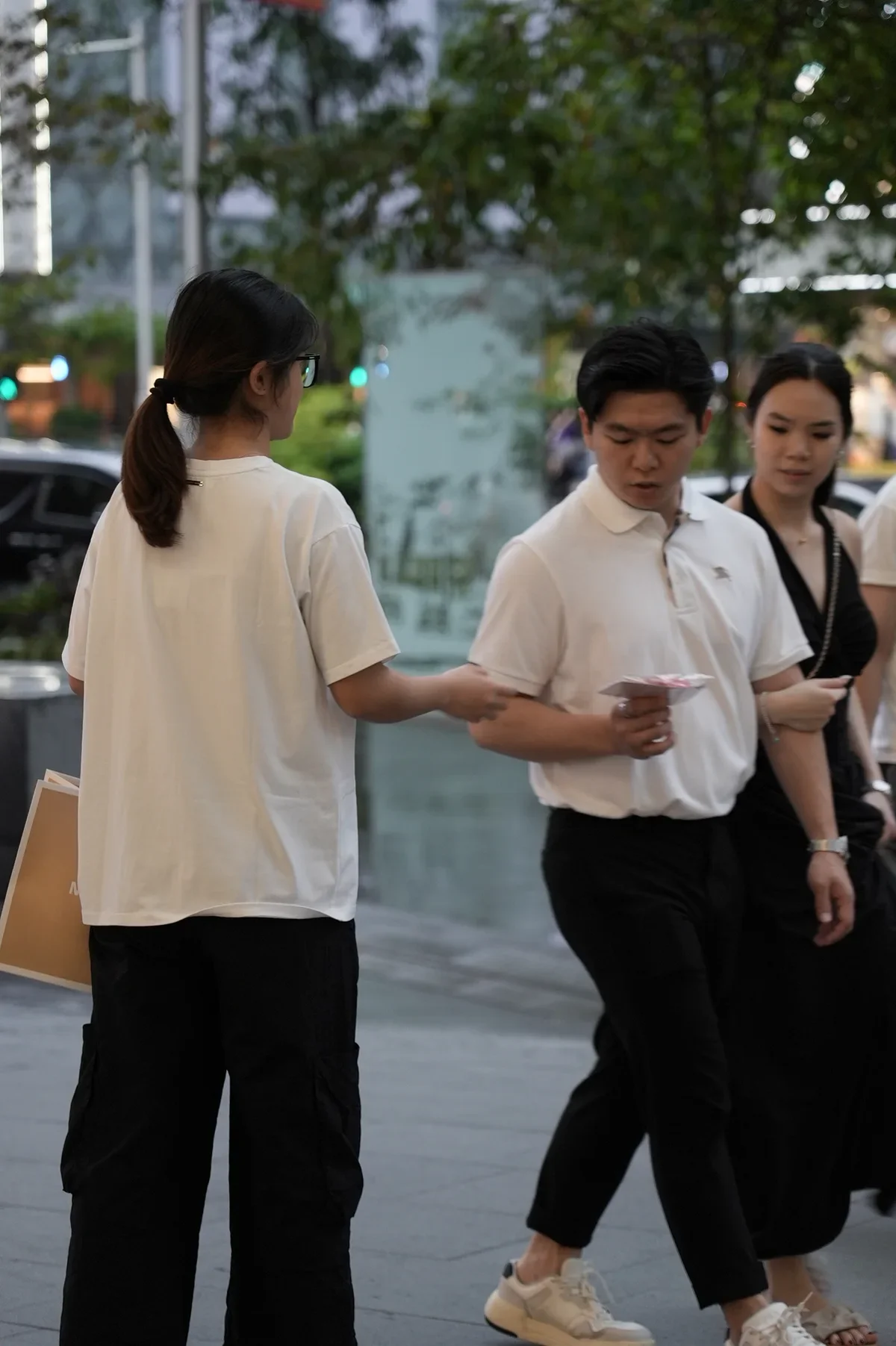
A brand experience starts with a person, not a prop.
What is experiential marketing?
Experiential marketing turns a brand message into something people can take part in.
Instead of only seeing an advertisement, customers meet the brand through a live interaction: trying a product, choosing a personalised item, joining a demonstration or taking part in an activity that makes the brand's story tangible.
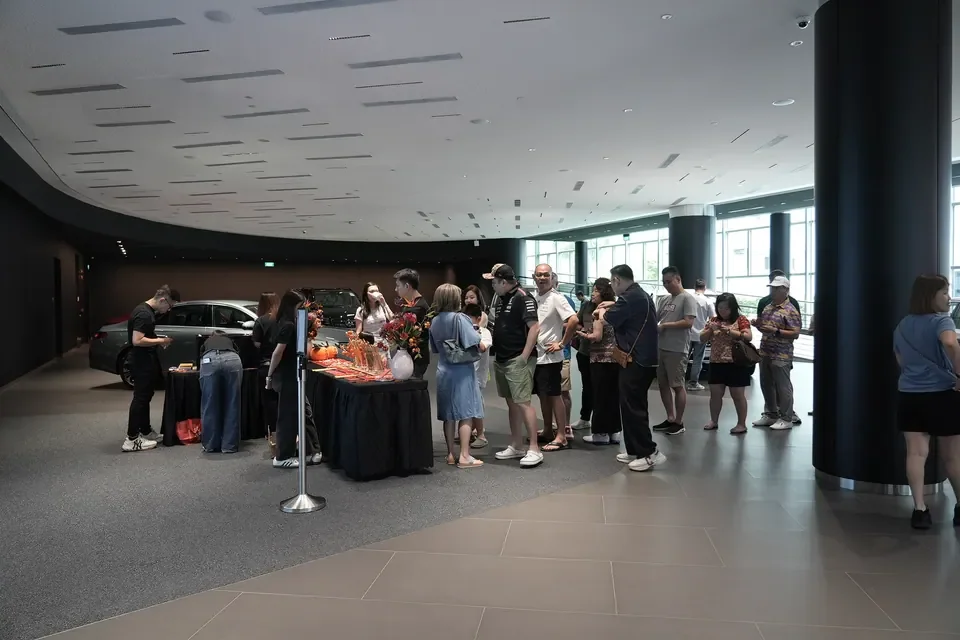
For experiential marketing in Singapore, the setting matters. A busy shopping mall, an operating retail store and an invitation-only event each bring different expectations. The experience must fit the audience, the available space and the time people are willing to give.
Brand activation and experiential marketing often overlap. An activation usually centres on a defined action; experiential marketing describes the wider experience surrounding that action. For formats and supplier responsibilities, read our guide to brand activation in Singapore. Here, the focus is the customer's journey.
Start with the customer.
Not the installation.
Before deciding what to build, decide what someone should understand, feel and do. “Create engagement” is too broad to guide a live experience.
Write a specific objective: introduce a product benefit, help visitors try a range, invite a relevant enquiry or create a useful take-home connection. Then ask whether each touchpoint supports that objective.
A beautiful installation may attract a photograph. It does not automatically explain the product, create a conversation or lead to a meaningful next step.
Design the whole journey.
The first impression, the interaction and the follow-up should tell one story.
Before: earn the pause.
People should be able to understand the invitation while moving through the space. Make the activity, its relevance and any participation conditions clear before a staff member needs to explain them.
Place the invitation where your intended audience will actually see it.
Show what someone can do, not only the campaign's name.
Explain eligibility, waiting time or purchase requirements upfront.
Keep access routes and neighbouring operations clear.
Planning prompt: Could a first-time visitor explain what happens here after one glance?
During: make participation feel natural.
Design the interaction around realistic guest behaviour. A live personalisation station needs a clear choice, an achievable production time and a handover that feels considered. A product demonstration needs space to see, ask and try.
Rehearse the full interaction with the team, including busy periods.
Give staff a short, brand-appropriate invitation and a clear role.
Plan queue entry, collection and replenishment as part of the experience.
Offer an accessible alternative where a physical activity would exclude someone.
Planning prompt: What could make a willing guest abandon the experience halfway through?
After: give the moment somewhere to go.
The interaction should close with a relevant next step, not a disconnected giveaway. That might be product information, a personalised item, a redemption path or an invitation to continue the conversation.
Connect the take-home item or message to the brand story.
Make the next action useful and optional.
Explain how contact details will be used before requesting them.
Agree who owns follow-up and how completed actions will be counted.
Planning prompt: What will someone remember tomorrow—and what can they do with it?
Small service details are part of the brand experience.
What makes people stop
and participate?
A clear invitation
Say what guests can do and why it is relevant. The interaction should not require a long sales pitch before anyone can decide whether to join.
An achievable commitment
Match the activity to the time and attention available. In an active store, a short interaction may fit better than a complicated multi-stage challenge. Test the actual service time rather than guessing.
A human welcome
Staff shape the moment. Prepare them to explain the activity, help with choices and manage a queue without making guests feel rushed or pressured.
A reason to remember
Personalisation or gifting works best when it reflects the campaign—not simply because something is free. Explore corporate gift ideas for a meaningful take-home touchpoint.
The experience is
in the details.
Michael Kors: participation through personalisation
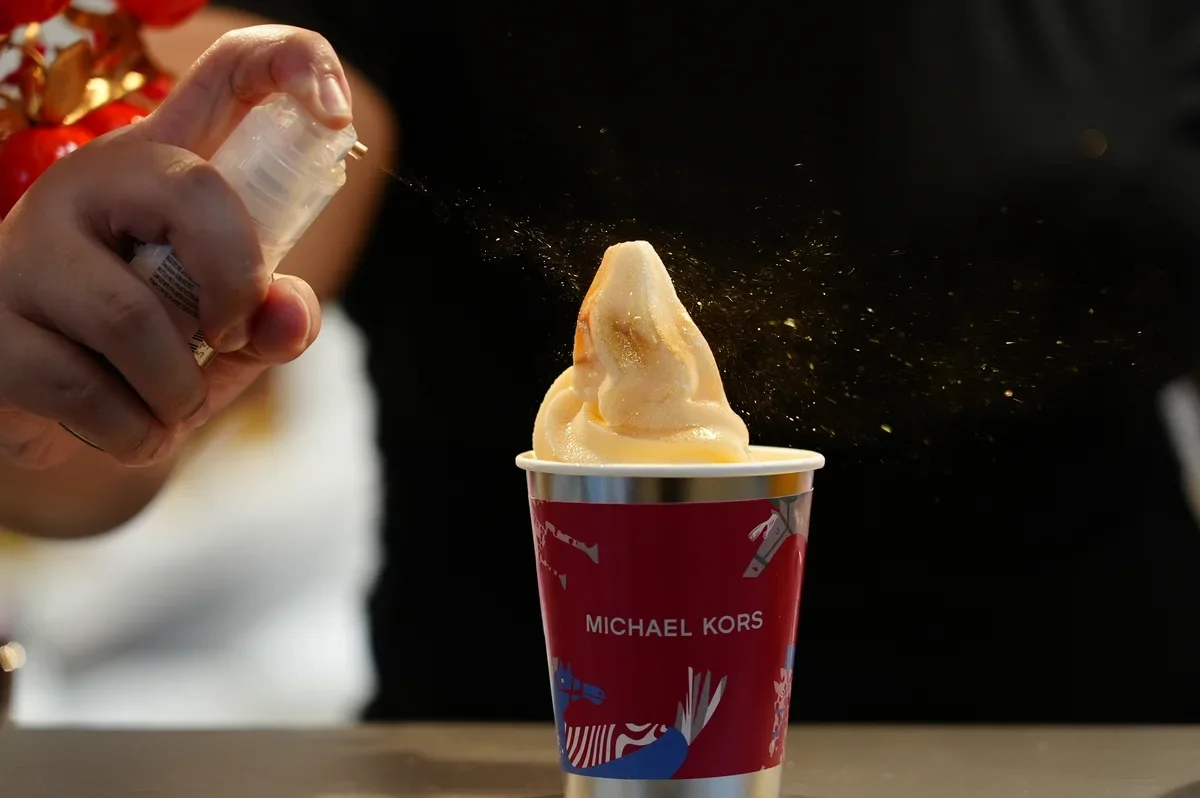
Elite Event Atelier's festive Michael Kors work included personalised auspicious fans and a live Bingsu station. These formats gave customers something to join, choose or receive, rather than only a display to look at.
The useful lesson is the connection between the creative idea and the live operation: materials, presentation, service time and handover all contribute to the customer experience. These examples illustrate the format; they are not claims of measured sales uplift.
Explore our work
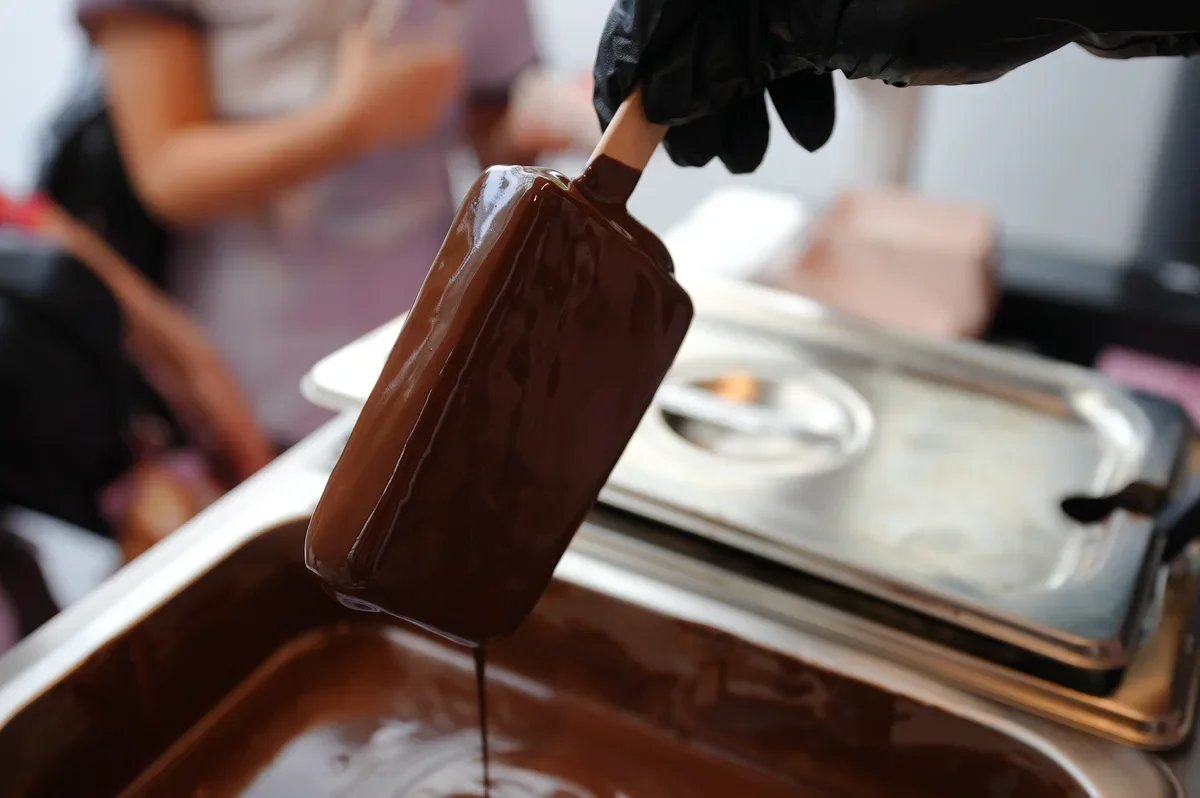
Live preparation at a Victoria's Secret retail station. The service process is part of the encounter.
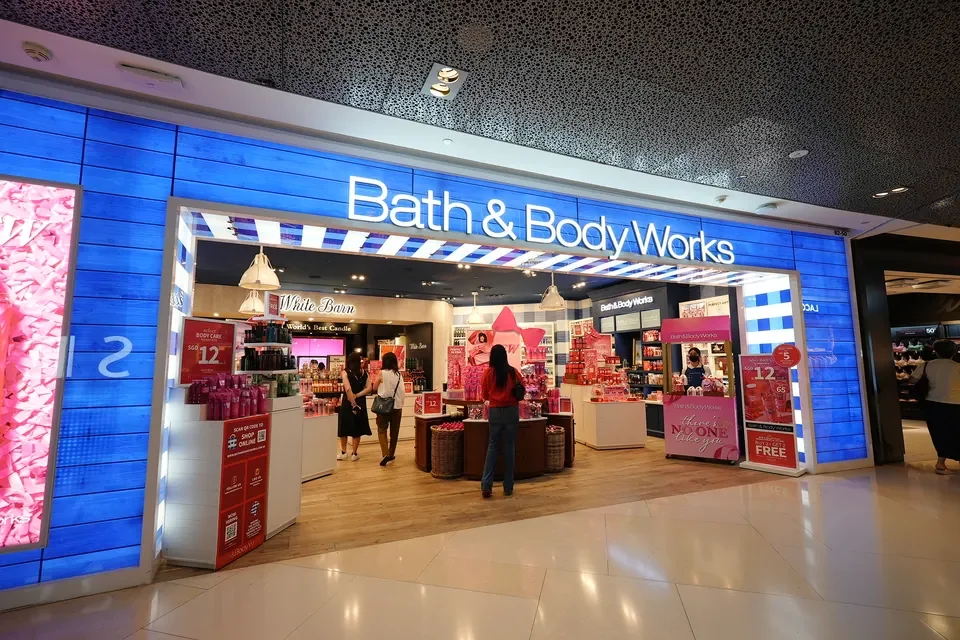
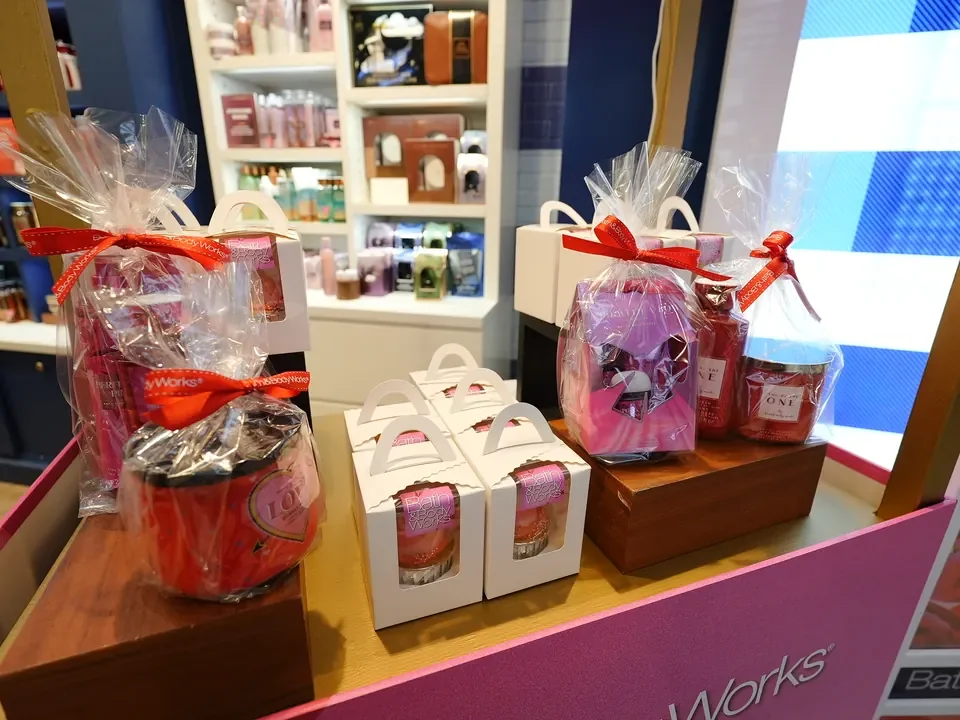
Bath & Body Works: a moment within a working store
The festive activation at VivoCity created a branded moment inside a live retail environment. Planning had to account for where customers noticed the station, how they approached and how service could continue during the operating period.
For retail experiential marketing, this is a useful test: the campaign should feel inviting without disrupting the store around it. Stock, replenishment and queue movement are customer-experience decisions, not just backstage tasks.
Measure the action.
Not just the attention.
Choose a primary measure before the campaign begins, then design a practical way to record it.
Footfall, photographs and social posts can provide context, but they do not prove that people understood the brand or completed the intended action. Separate exposure, participation and follow-through in your report.
If the objective is… | Consider tracking… |
|---|---|
Encourage product trial | Completed trials and relevant product feedback |
Deliver a personalisation experience | Completed items, wait times and abandoned queues |
Start business conversations | Qualified enquiries and agreed follow-up actions |
Support redemption | Recorded redemptions and the defined campaign period |
Agree definitions and responsibilities upfront. A completed interaction is not necessarily a qualified lead; a sample distributed is not a sale. If the team cannot reliably collect a measure, do not present it as a campaign result.
Keep the spectacle.
Lose the friction.
Four common mistakes to avoid
Building before defining the objective. Make the intended customer action clear before selecting the installation or activity.
Adding too many tasks. Each extra step should earn its place. Rehearse the journey and remove unnecessary decisions.
Leaving operations until late. Queue capacity, supplies, access and staff roles should inform the creative proposal.
Ending without a next step. Give customers a useful way to remember the brand or continue the conversation.
When an experience sits within a larger event, clarify who owns each deliverable. Our corporate event planner guide can help you compare scope and accountability.
Questions before
you begin.
Can experiential marketing work in a small retail space?
Yes, if the interaction suits the footprint and operating conditions. A focused live demonstration or personalisation moment can be more useful than a large installation. Check access, queueing, storage and venue requirements before confirming the concept.
Does every experience need a giveaway?
No. Product discovery, a helpful conversation or an enjoyable demonstration can provide value. If a gift is included, connect it to the brand story and account for fulfilment and service time.
How should we assess an experiential marketing agency in Singapore?
Look for relevant live work and ask how the team translates the customer journey into staffing, production and on-site decisions. Compare written scopes and agree who owns measurement and follow-up.
What should we share before discussing an experience?
Share the audience, intended action, date, location, operating hours, budget range and any existing campaign materials. Identify which details are confirmed and which remain open so the proposal can be developed around realistic assumptions.
Make your next
brand story live.
Planning experiential marketing in Singapore? Tell Elite Event Atelier who you want to reach and what you want people to do. We can discuss the right next step for your brief.
Share your brief
Prefer to talk? Chat on WhatsApp