The Quick Answer
Brand activation turns a marketing idea into an experience people can participate in. In Singapore, that can mean an in-store engagement, seasonal retail concept, product launch, pop-up, gifting moment or live station designed around a clear customer action.
Before choosing a format or a brand activation company, clarify four things: who should stop, what should they do, what should they remember, and what should happen next. The experience should follow the objective—not the other way around.
The strongest activation is rarely the one with the most elements. It is the one with the clearest reason to participate.
What Does a Brand Activation Company Do?
A brand activation company helps turn a campaign objective into a live customer experience. Depending on the brief, its work may include concept development, customer journey planning, styling, production, supplier coordination, staffing and on-site execution.
The exact scope should be agreed before production begins. Some companies need a partner to shape the activation from the start. Others already have an approved creative concept and need an experienced team to adapt it for a retail, event or public environment.
A brand activation company may be responsible for:
Clarifying the campaign objective and target audience
Developing or refining the activation concept
Planning the customer journey and participation mechanic
Coordinating production, suppliers and venue requirements
Preparing staffing, stock and replenishment plans
Managing setup, live execution and dismantling
Integrating gifting, personalisation or live service elements
Reviewing operational risks before launch
Ask for a written scope that states what is included, what remains the client's responsibility and which items will be delivered by third-party suppliers.
Built Around Real Guest Behaviour
Elite Event Atelier plans and delivers experiences for live guest environments, including retail activations, corporate functions and private events. Working face to face with real audiences has shown our team how small details influence whether people walk past or decide to participate.
Placement, service time, queue visibility, replenishment and a clear invitation to take part all affect the experience. That practical understanding guides our tailor-made retail activations and experiential campaigns: design for the moment when a customer chooses to participate.
Brand Activation Formats in Singapore
The right format depends on the campaign objective, audience, venue and the action you want guests to take.
Retail and In-Store Activations
Retail activations operate inside an active customer environment. They may include live stations, product sampling, customer gifting, demonstrations, games or interactive moments designed around the store experience.
The concept should attract attention without disrupting everyday operations. It also needs to work within the available footprint, access timing, power supply, storage and venue rules.
Seasonal Activations
Seasonal campaigns can create a timely reason for customers to engage. Mother's Day, Christmas, Chinese New Year, Hari Raya and other occasions may inspire gifting, personalisation, festive styling or a limited-time experience.
A strong seasonal activation should still feel specific to the brand. The occasion provides context, but the interaction and visual direction should not become interchangeable with every other festive campaign.
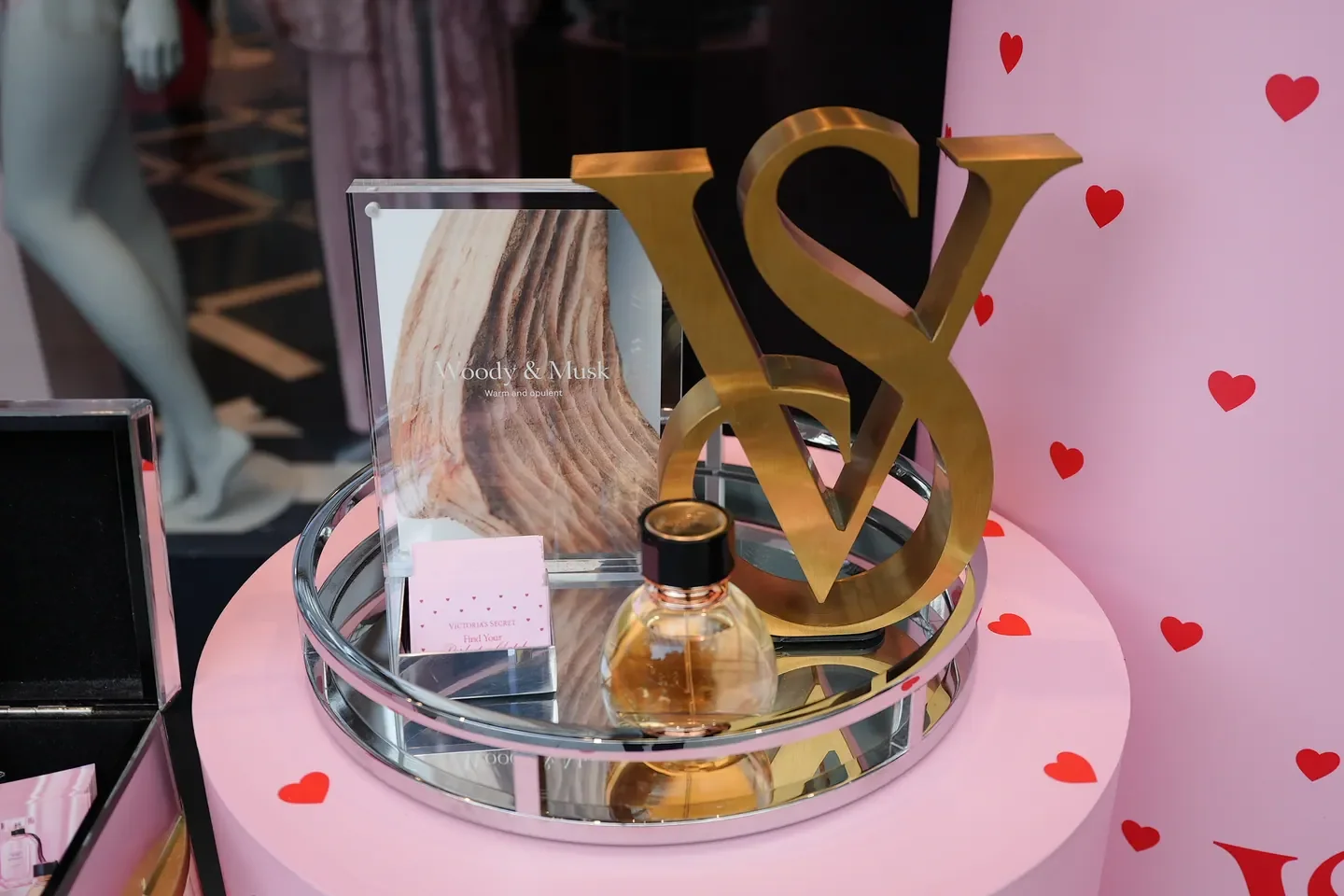
Victoria’s Secret products presented on a branded pink activation display.
Product Launch Activations
Product launches may bring together a guest journey, branded installation, demonstration, sampling, gifting and content capture. The experience should help customers, media, influencers or business partners understand what is new and why it matters.
Every touchpoint should support the product story. Avoid adding activities that look impressive but distract from the product or intended next step.
Experience-Led Gifting
Personalisation, flower bars, curated gift stations and other take-home experiences can turn a gift into a moment of participation. The guest becomes part of the process instead of receiving a standard giveaway.
Live gifting requires an operating plan. Production time per guest, queue capacity, storage, staffing and the collection process should be calculated before launch.
For take-home experiences, explore 25 corporate gift ideas for clients, employees and events.
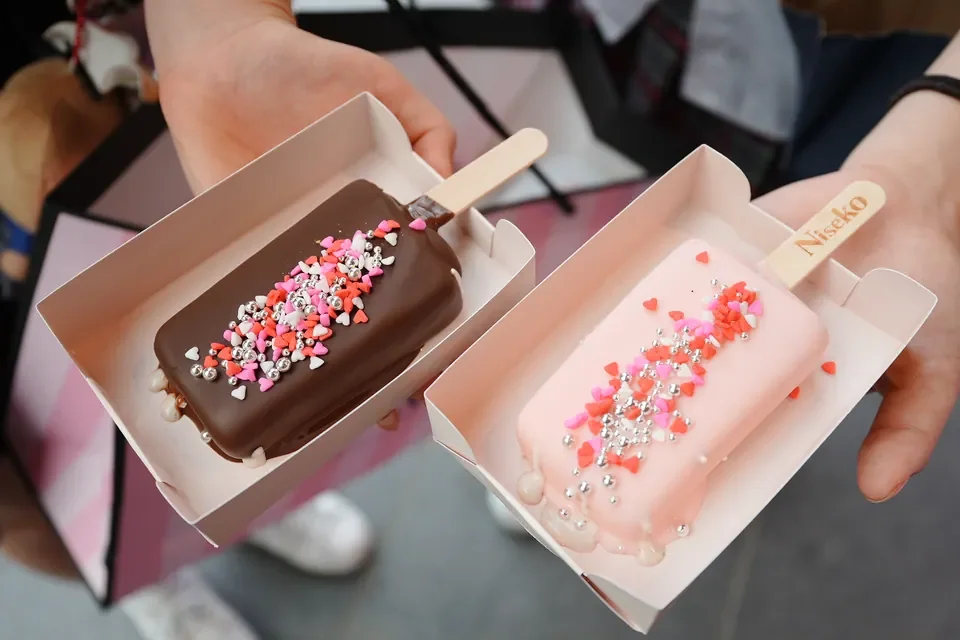
Two freshly decorated ice cream bars in presentation trays at a live retail station.
Real Formats in Real Retail Environments
Existing work builds trust when the role, operating environment and customer interaction are explained—not when client logos are displayed on their own.
Michael Kors: A Festive Interaction, Not a Standard Giveaway
Client: Michael Kors
Format: Festive retail activation
Personalised auspicious fans and a live Bingsu station turned gifting into participation. Guests left with a take-home moment connected to the campaign rather than another piece of generic merchandise.
The experience combined a live service element with personalisation and festive relevance. This required the team to consider customer flow, production time, presentation and the handover of each gift in a retail setting.
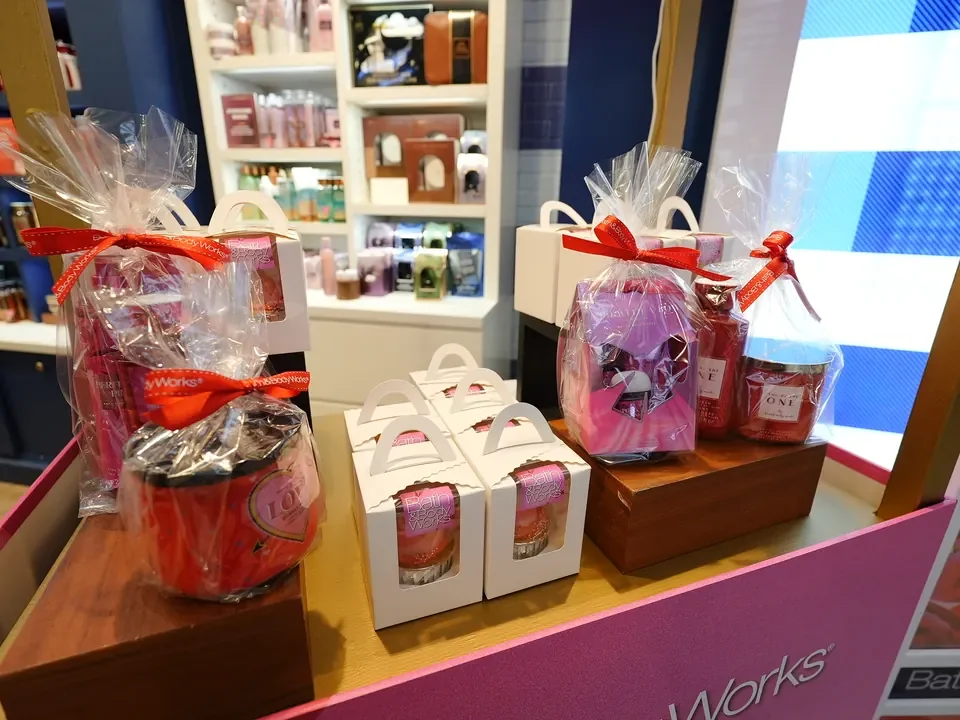
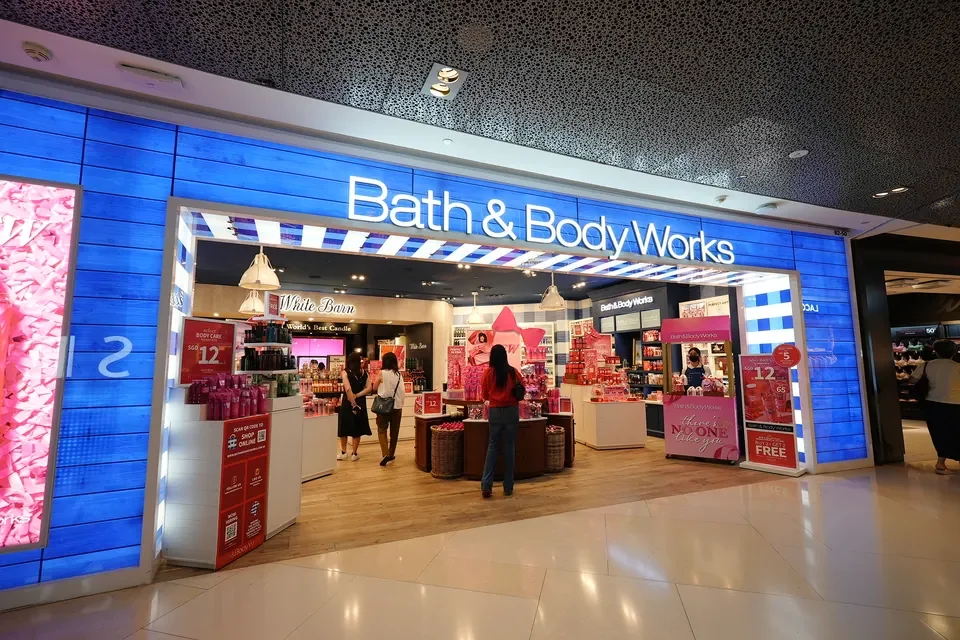
Bath & Body Works: A Branded Moment Customers Could Join
Client: Bath & Body Works
Format: Festive retail activation at VivoCity
The activation created a visible branded moment within an active retail environment. The live experience gave customers a reason to stop, participate and connect the interaction with the festive campaign.
The practical planning extended beyond how the station looked. Placement, queue movement, service time, stock and replenishment all affected whether the activation could remain clear and welcoming throughout the operating period.
A Beautiful Idea Still Has to Work on Site
Retail activations take place inside live customer environments. Before production, the concept should be tested against the venue, expected participation and day-to-day operation.
Ask the following questions:
Where will customers first notice the activation?
Is the activity understandable without a long explanation?
How many guests can participate at one time?
How will queues affect the store or surrounding space?
What must be replenished during the activation?
Where will stock and equipment be stored?
What approvals, access arrangements or venue-appointed suppliers are required?
What should the customer do after participating?
These details may not be the most visible part of the campaign, but they determine whether the live experience feels organised.
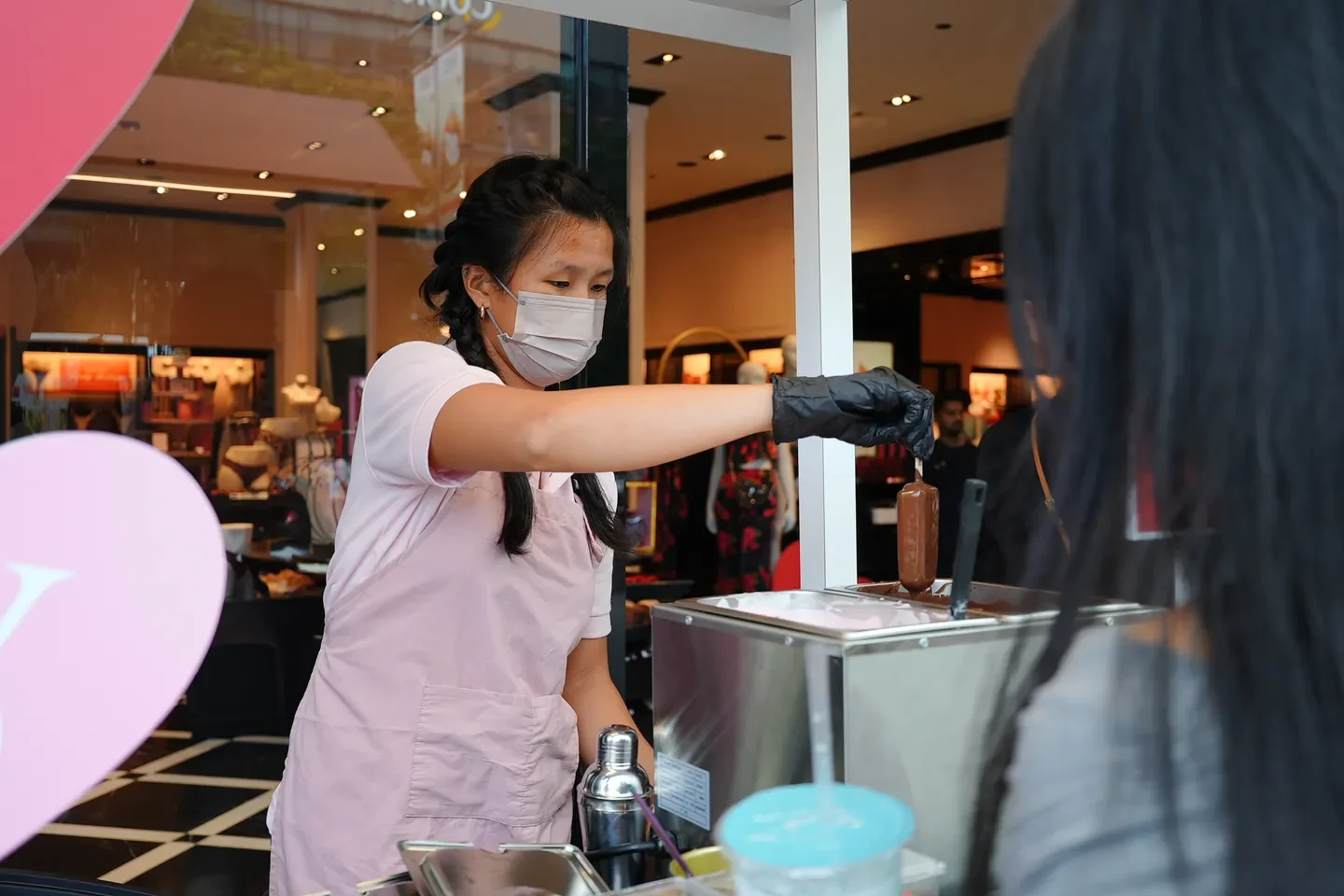
A staff member serving a guest from a branded Victoria’s Secret live dessert station.
How to Choose a Brand Activation Company in Singapore
Start by comparing relevance and responsibility, not presentation style alone. A polished proposal should be supported by practical answers, relevant work and a clear explanation of what the team will manage.
1. Look for Relevant Live Experience
The company does not need to have produced an identical campaign. It should, however, understand the type of customer, venue, interaction and operating environment involved.
2. Ask Who Owns Each Deliverable
Clarify who manages the concept, artwork, production, suppliers, staffing, venue liaison, stock, setup and on-site decisions. Clear ownership reduces duplicated work and last-minute gaps.
3. Review the Planning Process
Ask when creative approval, venue confirmation, artwork submission, sampling, production, installation and rehearsals must happen. The timeline should show which decisions affect the next stage.
4. Compare the Complete Scope
Do not compare quotations using the final total alone. Review quantities, materials, manpower, logistics, assumptions, exclusions and optional items on the same basis.
5. Discuss Live Operations Early
The team should be able to explain participation time, queue handling, replenishment, storage, escalation and the responsibilities of on-site staff.
6. Agree on Useful Measures
Success depends on the objective. Measures may include participation, samples distributed, redemptions, leads, content captured, dwell time or completion of a defined customer action. Only use measures that the activation is designed and equipped to track.
Appointing a partner for a wider event? Use our corporate event planner interview guide to compare scope and accountability.
From Campaign Objective to Live Customer Moment
1. Define the Objective
Agree on the audience, desired action, location and wider campaign context. A clear objective makes it easier to evaluate every creative and operational decision.
2. Shape the Experience
Develop the central interaction, visitor journey, styling and supporting touchpoints. The activation should communicate what guests can do without requiring a long explanation.
3. Prepare the Operation
Coordinate the approved production scope, schedule, staffing, venue requirements, stock and replenishment. Test the experience using realistic participation times and site conditions.
4. Deliver On Site
Bring the agreed elements together and keep the customer experience clear throughout the activation. The on-site team should know who can make decisions when conditions change.
What to Include in a Brand Activation Brief
A useful initial brief should include:
Campaign objective
Target audience
Proposed date and operating hours
Preferred venue or location
Estimated participation or footfall
Required activation format and deliverables
Brand guidelines and existing campaign materials
Available budget range
Gifting, sampling or personalisation requirements
Photography, videography or content requirements
Venue rules or known restrictions
Approval process and decision-makers
Desired customer action and method of evaluation
If some details are not confirmed, state the assumptions. An experienced activation company can then identify the decisions that need to be made first.
Frequently Asked Questions
What Is the Difference Between Brand Activation and Experiential Marketing?
The terms often overlap. Brand activation focuses on encouraging a specific form of participation or action, while experiential marketing is a broader approach that creates memorable brand experiences. A retail pop-up, product launch or live personalisation station can be both an activation and an experiential marketing campaign.
What Should Be Included in a Brand Activation Brief?
Include the campaign objective, target audience, preferred date, location, estimated participation, brand guidelines, required deliverables and available budget range. Add any approved creative materials and venue requirements already known.
Can Elite Event Atelier Work With an Existing Creative Concept?
Yes. If your internal team or appointed agency already has an approved concept, the production and execution responsibilities can be defined before planning begins.
How Much Does a Brand Activation in Singapore Cost?
Cost depends on the activation format, location, duration, production requirements, staffing, equipment, gifting and number of campaign sites. A clear brief allows the scope to be priced more accurately.
How Early Should Planning Begin?
Lead time depends on venue requirements, approvals, custom production and campaign complexity. Share the intended launch date early so the team can assess a realistic schedule.
Planning a Brand Activation in Singapore?
Share your proposed date, location, audience, campaign goal and budget range with Elite Event Atelier. Our team will review the brief and recommend the appropriate next step.